Hotel restoration in Ireland as a quiet design revolution
Across Ireland, a new kind of luxury hotel is emerging from old stone walls and long-abandoned wings. This wave of hotel restoration and heritage renovation is less about statement chandeliers and more about the patient work of stonemasons, lime plasterers, and joiners who respect every original cornice. For a traveller booking a stay in Ireland, it often means the choice between another generic room or a night inside a long history that has been carefully saved and adapted.
The country now counts hundreds of historic hotel properties, many more than 100 years old, and each restoration involves a complex dance between planning rules and guest expectations. Planning authorities and the National Monuments Service insist that any renovation work on a protected structure preserves Irish heritage, so every new socket, lift shaft, or spa pool must be threaded through existing fabric rather than bulldozed in. That is why a restored castle or country estate often feels different from a new luxury hotel, because the building dictates the course rather than an architect’s blank-page vision.
For business travellers extending a trip into leisure, this authenticity matters when choosing a hotel in Ireland. A carefully restored castle or country estate, for example, can offer a polished conference room beside a medieval tower, or a quiet library where a sash window opens onto lawns shaped over centuries. When you read about historic hotel restoration and heritage renovation on a booking site, you are really reading about the tradespeople whose work opens a window into the building’s past and turns it into a present-day luxury experience that families and colleagues will share for years.
Inside the restoration of castles and estates used as hotels
Nowhere is Ireland’s heritage-led hotel restoration more visible than in its castles and great estates. Take Dromoland Castle in County Clare, a luxury hotel that grew from the ancestral seat of the O’Brien family, historically linked to the High Kings of Ireland. When you walk its corridors today, you are moving through layers of restoration work that have turned a private castle into a public yet discreet retreat while keeping the character of a lived-in estate.
At Dromoland Castle, the story is not only about the famous golf course or the manicured estate drives. Conservation architects have had to respect the legacy of Earl Thomond and the original layout while threading in lifts, fire escapes, and data cabling that a modern luxury hotel demands. Every time a sash window opens in a guest room overlooking the lake, it reflects a decision to repair rather than replace, to keep Irish heritage visible rather than hide it behind plasterboard and standard fittings.
A concrete example helps to show how this works in practice. In 2017, a phased programme of renovation work at Dromoland Castle focused on guest rooms in the older wings, with conservation architects working alongside Clare County Council’s planning team to agree details such as secondary glazing and fire protection. As one project architect noted in a published conference paper on Irish hotel conservation, the aim was to “retain as much original joinery as possible while discreetly upgrading services.” The result is that corporate guests might come for the golf or the meeting spaces, but they usually share stories afterwards about the sense of continuity, about sleeping in a room where the estate has evolved over years instead of being built in a single burst of construction. If you are comparing venues for events, guides to restored meeting spaces such as the detailed overview of Minard Castle’s capacities for Irish luxury travellers on this castle events comparison can help you read between the lines of the marketing.
The crafts behind authentic hotel renovation work
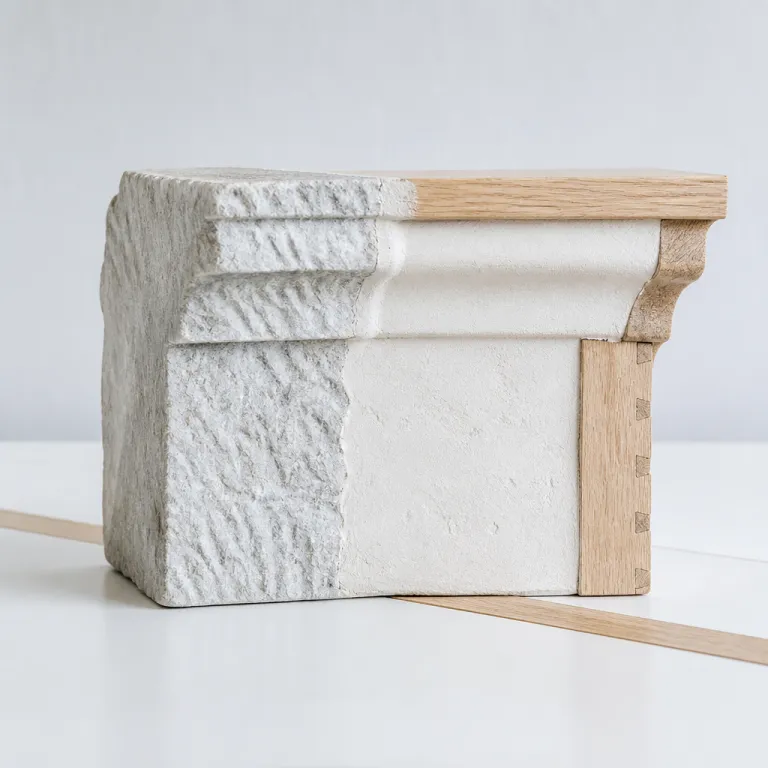
Behind every polished check-in desk in a restored Irish hotel stands an invisible team of craftspeople. Specialist firms such as LMP Leahy Mouldings & Plastering Limited, for example, focus on lime plastering and moulding work that allows a heritage hotel renovation project to keep its original ceilings breathing properly. Ahern Bros. Masonry, Restoration and Conservation bring stone façades back from the brink, while D&K Carpentry rebuild traditional joinery so that a timber window opens smoothly again after decades of neglect and exposure to Atlantic weather.
These trades are not interchangeable with general construction crews, because heritage restoration demands specific methods and materials. Conservation guidelines require breathable lime mortar instead of cement, hand-cut stone instead of concrete blocks, and timber repairs that splice in new wood rather than ripping out entire staircases that have stood for years. As one conservation answer from the UK Society for the Protection of Ancient Buildings puts it with useful clarity, “Lime plaster is breathable and flexible, suitable for historic buildings,” a principle echoed in Irish heritage guidance.
For a guest, the benefit shows up in subtle ways that you feel more than see during your stay. Walls finished with lime plaster regulate humidity in a way that makes a castle bedroom feel fresher, while properly weighted sash windows in a Georgian townhouse hotel slide open without a struggle and frame streets that have barely changed. If you are drawn to period details, long-form guides to Georgian townhouse hotels and the era they preserve, such as the piece on fanlight-fronted properties on Ireland’s Georgian townhouse hotels, can help you choose a property where the crafts have been respected and the original character remains legible.
The cost, value, and guest experience of heritage renovation
Restoring a protected hotel building in Ireland usually costs significantly more per room than constructing a new property on a greenfield site. Industry case studies from Irish conservation architects suggest that converting a historic building to hotel use can cost 20–40% more per bedroom than a comparable new build, once specialist trades, surveys, and contingency for hidden defects are included. These figures are drawn from presentations at Irish heritage conferences and published guidance notes rather than from a single commercial source. Every major project must budget for extended timelines and the reality that you cannot simply ignore issues like concealed structural weaknesses behind old plaster. The process often runs from initial assessment through years of phased renovation work, with sections of the hotel opening and closing as each course of works is completed.
Yet the financial logic is compelling for owners who understand the long game. A restored castle or country estate can command premium nightly rates because guests are paying for Irish heritage as much as for thread count, and repeat visitors often share their loyalty across generations of the same family. For Irish business travellers, the ability to use gift vouchers for a return stay at a favourite country property turns a one-off conference into a tradition, especially when the hotel’s long history is part of the story they tell colleagues and relatives.
From the guest side, the value shows up in the depth of experience rather than in flashy amenities. A luxury hotel created through sensitive restoration will often have slightly idiosyncratic room shapes, deep window reveals, and staircases that twist unexpectedly, because the original structure has been respected. If you care about design, you may find that a stay in a carefully restored historic hotel lingers in the memory longer than a night in a purely design-led property, because you sense that someone chose renovation over demolition and cared enough to keep the building alive for future generations.
How to choose a restored historic hotel for your Irish stay
When you are browsing Irish hotel options online, it pays to read beyond the headline photos. Look for language that signals a genuine conservation-led restoration project, such as references to listed status, heritage impact assessments, or collaboration with organisations and local authorities responsible for protected structures. Properties that talk about their stonemasons, plasterers, or carpenters by name are usually proud of the craft that has gone into the building and the years of renovation work that made reopening possible.
Pay attention to how a hotel describes its estate, its castle setting, or its townland context. A country property that mentions an on-site golf course, walled gardens, or woodland walks is usually working with its existing landscape rather than imposing something generic, and that often reflects a deeper respect for Irish heritage. For coastal breaks, restored cottages and small hotels in places like Dunmore East, profiled in depth in the guide to refined coastal escapes on this Dunmore East cottages feature, show how even modest buildings can be elevated through careful renovation work and thoughtful interior design.
Finally, consider how you personally like to travel within Ireland. If you are extending a Dublin meeting into a weekend, a Georgian townhouse hotel with original sash windows that open onto a quiet square may suit you better than a remote castle, while a family trip might lean towards a castle estate where children can roam and adults can play golf. Either way, choosing a property shaped by thoughtful hotel restoration and heritage conservation means your stay will support the craftspeople keeping these buildings alive, from the plasterer repairing a cracked cornice to the carpenter easing a stubborn window so it opens smoothly again.
FAQ
How long does a typical hotel restoration project take in Ireland ?
The duration of heritage hotel renovation projects varies widely, depending on the size and condition of the building. Official guidance from conservation bodies notes that “Duration varies; typically several months to a few years.” For large castles or estates, owners often phase renovation work over many years so that parts of the hotel can remain open while other wings are being upgraded and new services are threaded through original structures.
Why do conservation teams insist on lime plaster and traditional materials ?
Conservation architects and plasterers in Ireland favour lime plaster because it allows old walls to breathe and move slightly without cracking. As the expert guidance states, “Lime plaster is breathable and flexible, suitable for historic buildings.” Using traditional materials such as lime mortar and natural stone helps protect the structural integrity and Irish heritage value of the hotel over the long term, reducing the risk of trapped moisture and future structural failure.
Are restored historic hotels in Ireland always more expensive to stay in ?
Prices at restored hotels vary, but many heritage properties position themselves as luxury hotel options and charge premium rates. The higher room cost reflects the investment in conservation work, from specialist trades to longer project timelines and compliance with planning conditions. Some hotels balance this by offering seasonal packages or gift vouchers that make a stay more accessible for Irish guests planning a special occasion or a once-in-a-decade family gathering.
What should I look for when booking a heritage focused hotel stay ?
When choosing a hotel in Ireland, look for clear references to conservation work, listed building status, or collaboration with heritage bodies. Properties that explain their long history, mention original features such as sash windows or stone staircases, and credit craftspeople like stonemasons or carpenters usually take restoration seriously. Reading detailed reviews and guides focused on historic hotel restoration will help you separate marketing language from genuine commitment to Irish heritage.
Does staying in a restored hotel help preserve Irish heritage ?
Yes, your booking directly supports the ongoing maintenance and conservation of historic buildings across Ireland. Revenue from guests allows owners to commission further renovation work, employ specialist trades, and comply with strict conservation guidelines. By choosing a hotel shaped by sensitive restoration, you help ensure that castles, estates, and townhouses remain part of Ireland’s living landscape rather than slipping into dereliction, so that future generations can experience their long history first-hand.