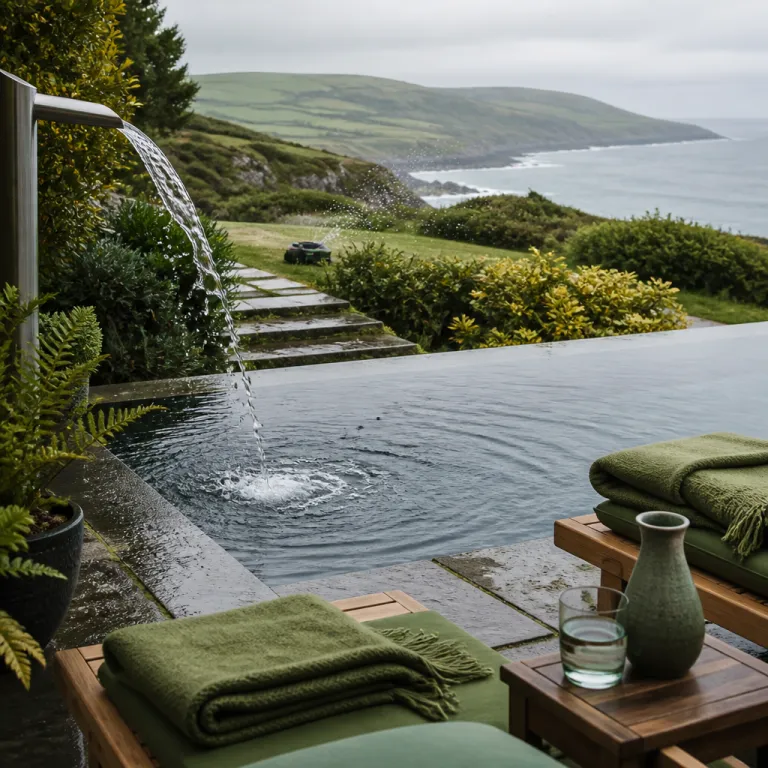
From heatwave escape to ireland summer holiday alternative europe
Across Europe, high summer now means airport queues, heat warnings, and restless nights. As temperatures in southern Europe climb towards 35 °C and beyond, the idea of an ireland summer holiday alternative europe has shifted from quirky choice to quietly confident luxury. For Irish travellers weighing a summer trip to the Mediterranean against a shorter drive across the country, the equation has changed.
Met Éireann climate summaries for recent decades show average summer daytime temperatures in Ireland typically in the high teens Celsius, while cities like Rome regularly push past 30–35 °C during the peak summer months, according to Italy’s national meteorological service. In its Summer 2023 Climate Statement, Met Éireann reported mean seasonal temperatures of 15–17 °C across most stations, with only short‑lived heat spikes. That gap is no longer a footnote in European travel brochures; it is the headline that makes a cool, green country feel like one of the Europe best options for comfort. The Irish Tourism Board has leaned into this, positioning the island as a climate safe harbour for those who still want long days, late light, and room to breathe without oppressive heat or dense summer crowds.
Tourism Ireland’s recent reports highlight steady growth in warm‑season arrivals, with surveys pointing to climate comfort and green landscapes as key decision factors. Its 2023 performance review noted that over half of surveyed visitors cited “fresh air and scenery” as a primary reason to choose Ireland in summer. This kind of stark comparison now underpins strategy, replacing the old assumption that summer travel must mean guaranteed heat. For an Irish traveller used to hopping from Dublin to Lake Como or the islands great off Greece, the idea of staying on the island and treating Ireland itself as a relaxed, climate‑friendly alternative to a continental break feels newly rational and quietly indulgent.
Cool luxury in the Irish countryside: where climate becomes comfort
Luxury hotels in Ireland have stopped apologising for the weather and started curating it. In the right country house, a July stay can mean a walk along the Wild Atlantic coast in a light tweed, followed by a peat fire in the drawing room while summer rain taps the sash windows. That is cool luxury in practice, and it is central to the ireland summer holiday alternative europe story.
Think of a long weekend in a restored manor near a lake in Connemara, where the best time for a swim is late afternoon, when the light softens and the midges drift away. You can explore the grounds for days, then drive into the nearest town for an arts festival, a trad session, or a quiet pint in a pub where the only crowds are neighbours. For more ideas on country houses that reward a slower tour of the island, the guide to Irish hotels worth the detour maps out properties that turn the beaten path into a choice, not a default.
In this context, the old Mediterranean promise of guaranteed sun feels less persuasive than guaranteed sleep and fresh air. A lakeside property in Kerry or Fermanagh can rival Lake Como for reflective water and mountain silhouettes, while offering a shorter travel time from Dublin or any major city. For Irish travellers who once saw northern Europe as a compromise, choosing Ireland as a summer alternative now means a carefully chosen countryside stay where the national park is your front garden and the only schedule is the tide.
Domestic ease: trading airport chaos for slow Irish journeys
For a traveller based in Ireland, the most underrated luxury is not a spa treatment or a tasting menu; it is the absence of airports. When you frame your plans as a home‑island summer escape rather than a flight south, you are really choosing to swap security queues and delayed departures for a slow drive where the only hold up is a tractor near a village. That shift in mindset changes how you value time, money, and energy across the whole summer trip.
Instead of a red eye to a crowded city, you might leave Dublin after breakfast and reach a lakeside estate in Leitrim by lunch, with a stop in a market town for coffee and a walk. Tourism Ireland has been clear about the opportunity here, noting in recent campaigns that “its mild temperatures offer relief from extreme heat elsewhere” and that “outdoor adventures, cultural festivals, and scenic tours” are the natural activities for these cool summers. When you add in the lack of jet lag, the ease of a last minute stay, and the option to extend your days without rebooking flights, a home‑island summer escape becomes a very practical proposition.
Golfers have already understood this, quietly shifting from Spain or Portugal to Irish fairways where the wind, not the sun, is the main challenge. If that is your idea of a great break, the guide to Ireland’s golf hotels shows how the 19th hole can outshine the first eighteen when the bar, the room, and the landscape all align. The same logic applies whether your chosen tour is along the Wild Atlantic coast, through Northern Ireland’s glens, or between city breaks in Galway and Belfast that feel like different countries without ever leaving the island.
Reframing weather: light, air, and the art of the Irish stay
Luxury hoteliers in Ireland have learned that you cannot sell sunshine, but you can sell light. Long summer days, with soft evenings stretching past ten, create a kind of temporal luxury that no infinity pool in southern Europe can match when the heat is oppressive. For those considering Ireland as a summer alternative, this means designing stays around air quality, green views, and the pleasure of being outside without calculating UV indexes.
On the ground, that looks like morning swims in a lake before breakfast, followed by a slow city break in Cork or Limerick where you can actually walk between galleries, cafés, and riverside paths without retreating indoors by noon. It means coastal walks near the Cliffs of Moher or the lesser known cliffs of Donegal, where the drama is in the Atlantic swell rather than the temperature reading. In these places to visit, the best places are often the ones where you return damp and exhilarated, then warm up beside an open fire with a whiskey while your boots steam gently in the hall.
Irish properties are also leaning into culture as a weather proof asset, programming arts festivals, food weekends, and guided tours that make a rainy afternoon feel like part of the plan. One general manager of a five star country house recently described their approach as “treating rain as theatre, not a crisis”, with blankets, hot drinks, and curated indoor experiences ready when the clouds roll in. The Irish Tourism Board, working with luxury hotels nationwide, has built campaigns that highlight this climate advantage rather than apologising for it. For a domestic traveller used to chasing sun across Europe, staying in Ireland now reads as a chance to explore your own country with the same curiosity you once reserved for a distant city.
Northward shift: how climate comfort reshapes Irish hotel choices
As Mediterranean summers intensify, the broader pattern is clear; affluent travellers are drifting north. Ireland now sits in the same mental map as Scotland, the Nordic countries, and other cooler parts of Europe for those planning where to go in the hottest summer months. For Irish residents, that global trend reinforces the logic of treating their own island as the ireland summer holiday alternative europe rather than a consolation prize.
Tourism Ireland and the Irish Tourism Board have responded with targeted marketing, partnerships with high end properties, and a clear narrative that positions the country’s climate as a feature, not a flaw. Their campaigns emphasise that you can visit a national park in July without worrying about heatstroke, or enjoy city breaks in Dublin and Galway where the streets are lively but not overwhelmed by summer crowds. For a deeper look at how top tier properties are evolving, the review of new five star hotels in Ireland’s Blue Book shows how design, service, and sustainability are aligning with this climate comfort story.
This northward migration of demand also stretches the season, making May and September feel like the best time for a quiet, luxurious stay in many regions. If July in Ireland now competes with July on the Algarve, then shoulder season in this country becomes one of the Europe best kept secrets for those in the know. For the Irish solo explorer who values space, good food, and the freedom to explore without a rigid itinerary, a cool‑climate staycation is no longer a theory; it is the most rational, climate friendly way to travel.
FAQ
Why is Ireland’s summer climate considered a luxury for travellers ?
Ireland’s average summer temperature of around 18 °C, as indicated in Met Éireann seasonal reports, offers a rare balance of long daylight and genuine comfort. You can walk city streets, hike coastal cliffs, or tour a national park without the exhaustion that comes with 35 °C heat in parts of southern Europe. For many Irish travellers, that makes an ireland summer holiday alternative europe feel more restorative than a traditional beach break.
How is Ireland promoting its cool summers to luxury guests ?
The Irish Tourism Board and Tourism Ireland are working with luxury hotels to frame the climate as a premium asset rather than a drawback. Campaigns focus on green landscapes, clean air, and the ability to explore outdoors throughout the day during the summer months. Partnerships with high end properties ensure that messaging about climate comfort is matched by service, design, and authentic local experiences.
What kind of activities suit Ireland’s cooler summer weather ?
The mild climate is ideal for layered days that mix outdoor and indoor pleasures. You might start with a lake swim or coastal walk, then move into an arts festival, a food tour, or a museum visit in a nearby city. Because temperatures stay moderate, you can comfortably stack several activities without needing long siestas or constant shade.
Is staying in Ireland really a viable alternative to a European beach holiday ?
For travellers who value comfort, culture, and good sleep over guaranteed sunbathing, the answer is yes. An ireland summer holiday alternative europe can mean a countryside estate with spa facilities, sea swimming, and excellent dining, all within a few hours’ drive. You avoid airport stress, reduce your travel footprint, and still enjoy a sense of escape that feels every bit as indulgent as a trip abroad.
When is the best time to book a luxury summer stay in Ireland ?
Peak demand now stretches from late spring through early autumn as more travellers seek cooler destinations. For the best choice of rooms and rates, book several months ahead for July and August, especially in coastal or lake regions. If your schedule is flexible, May and September often offer the best balance of availability, value, and gentle weather for an ireland summer holiday alternative europe.