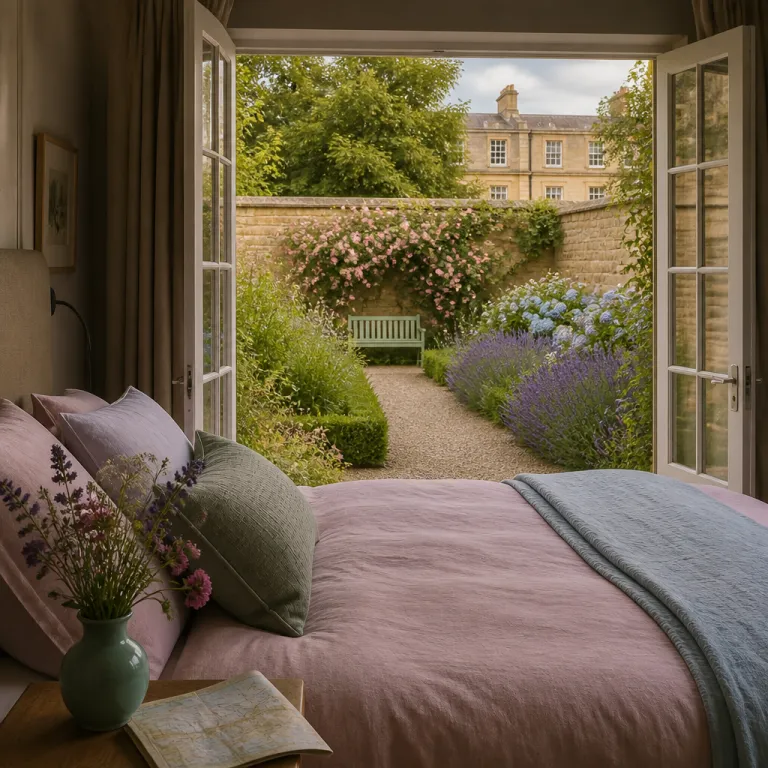
Estate hotels in Ireland where the gardens lead the stay
From hotel with grounds to grounds with a hotel
Across Ireland, the most interesting estate hotels now lead with their gardens rather than their room count. The shift is clearest in high summer, when couples based in Ireland want a stay where the grounds feel like the main event and the house and hotel services quietly orbit that experience. If you are choosing between estate hotels in Ireland, gardens and grounds will probably decide where you book rather than the spa menu or the size of the television.
Historic properties that once marketed themselves as a castle hotel or grand country house now talk first about their walled gardens, arboretums and lakeside walks. This is not a branding trick; it reflects how Irish travellers use these places to slow down, walk before breakfast and enjoy long evenings outside without leaving the estate. When you compare the best hotels in each county, the ones that feel most alive in July are usually those where the garden is treated as a living room rather than a backdrop, with paths, benches and planting designed to be used hour by hour.
That change is especially visible at Lough Rynn Castle Estate & Gardens, Ballyfin, Adare Manor and Ashford Castle, four of the most talked about estate hotels in Ireland where gardens and grounds are central to the stay. Each estate hotel offers a different balance between formal castle gardens, productive kitchen garden plots and wilder country walks, yet all treat the landscape as their primary amenity. For Irish couples planning places to stay without flying, these estates offer the kind of open air luxury that makes a two night stay feel like a proper holiday, especially when you can spend most of the day outside and still be back at your room within five minutes.
What makes Irish estate gardens different in high summer
Irish estate gardens are shaped by a mild, damp climate and a long history of plant collecting. The Gulf Stream allows gardens in Ireland to grow species that feel almost subtropical in sheltered corners, while the old walled garden at a country house protects tender fruit and vegetables from Atlantic winds. When you walk through these walled gardens in July, the combination of roses, herbaceous borders and productive kitchen garden beds feels both ornamental and practical, with peak colour usually running from late June into early August.
Many of the best estate hotels in Ireland sit within layered landscapes where a formal garden close to the house gives way to parkland, woodland and then rougher country. That relationship between house and garden is clearest at properties like Ashford Castle in County Mayo and Adare Manor in County Limerick, where the castle gardens frame views to water and distant hills, and where every path seems to lead back to the main house hotel entrance. On a short stay, you will notice how the rhythm of your day follows those routes, from morning walks to late evening strolls after dinner, often covering three to five kilometres without ever leaving the estate boundary.
For couples who care about horticulture, names such as Mount Congreve in County Waterford, Powerscourt in County Wicklow, Mount Usher in County Wicklow and Altamont in County Carlow sit alongside castle hotels like Dromoland Castle in County Clare, Cashel Palace in County Tipperary or the Franciscan style manor house featured in this in depth Irish country house review. You might stay in one estate hotel and then plan day trips to other gardens Ireland has made famous, using the hotel as a base for a wider garden trail. That mix of guest only gardens and open access country house landscapes is part of what makes an Irish estate stay feel generous rather than closed off, especially when you can move from a quiet hotel lawn to a busier public garden in the space of a morning.
Where the walled garden shapes the stay
Some Irish estates have such strong walled gardens that they effectively script your stay from breakfast to nightcap. At Lough Rynn in County Leitrim, the restored walled garden sits just beyond the castle hotel, so you can step from the bar terrace straight into deep herbaceous borders and clipped yew rooms. The formal garden there covers several acres, with a main circuit that takes around twenty minutes at a slow pace, and gates usually open to residents from early morning until dusk. Couples often time their stay to catch the high summer colour, then book dinner early so they can walk the garden again in the long evening light, following a loop that takes around twenty minutes at a slow pace.
Ashford Castle in County Mayo uses its castle gardens and wider grounds as a way to spread guests out, so even when the hotel is full the estate feels spacious. You can wander from the formal garden near the main house to the lakeshore, then loop back through woodland paths that feel more like a private country estate than a resort, with waymarked walks typically ranging from thirty minutes to just over an hour. If you want to understand how to choose between different castle hotels, this guide to staying inside living history sets out what each major castle offers beyond its bedrooms, from boat trips to falconry lawns and quiet benches hidden in the trees.
Cashel Palace in County Tipperary, Dromoland Castle in County Clare and the much loved Castle Leslie Estate in County Monaghan all use their walled gardens and wider grounds as a stage for slow mornings and unhurried afternoons. At Castle Leslie, the leslie estate lake and woodland walks sit alongside a productive kitchen garden that feeds the house hotel restaurant, while at Dromoland Castle the castle gardens lead into a golf course and then to wilder country. When you compare these places to stay, the question is not whether they have gardens, but whether those gardens feel integral to the way you will actually enjoy your time there, from your first coffee outdoors to the last circuit of the lawns before bed.
Head gardeners, kitchen gardens and how to plan your visit
One of the quiet revolutions in Irish hospitality is the rise of the head gardener as a visible host. At several estate hotels in Ireland, gardens and grounds are now introduced on arrival, and you might be offered a short tour of the walled garden or kitchen garden rather than just the spa. Some properties schedule regular walks with the gardening team, turning what used to be a behind the scenes rôle into a central part of the guest experience; as one head gardener at a Leinster estate puts it, “Our job is to make sure guests feel the garden changing hour by hour, not just season by season.”
For couples planning a stay, it pays to ask how the garden is used day to day and whether any areas are reserved for hotel guests only. Some estates open their gardens Ireland wide to day visitors, often between late morning and late afternoon, while keeping certain lawns or terraces for residents, which can work well if you enjoy a bit of buzz in the afternoon and quieter spaces in the evening. When you book, check whether there are special offers that include a guided garden walk, a picnic in the walled garden or a tasting menu built around produce from the kitchen garden, and ask if tours run at fixed times or can be arranged privately.
Practical details matter more than glossy photographs when you are choosing between the best hotels for a summer garden break. Ask how long the main garden walk takes in minutes and metres, whether paths are gravel or grass, and if there are sheltered spots for a shower heavy Irish weather sometimes brings. If you like to combine gardens with sport, some estates such as Dromoland Castle or Adare Manor pair serious castle gardens with golf courses, and this guide to Ireland’s golf hotels highlights where the nineteenth hole and the rose garden sit comfortably side by side.
Why couples are choosing garden estates over beach resorts
For Irish couples, the appeal of estate hotels in Ireland where gardens and grounds dominate is partly romantic and partly practical. A walled garden or lakeside walk offers a ready made backdrop for photographs, proposals or quiet anniversaries, without the crowds you often find at coastal viewpoints. On a two or three night stay, you can enjoy slow mornings, long lunches and late walks without ever feeling you should be somewhere else ticking off sights, and you can usually fit a full circuit of the main grounds into an hour or less.
There is also a growing sense that these estates are helping to preserve a particular strand of Irish heritage. Historic properties repurposed as luxury hotels allow old country houses and manor house complexes to survive, while opening their castle gardens and parkland to paying guests who value that history. As one estate explains it, “Historic estates repurposed as luxury hotels” and “Preserving heritage through hospitality,” with every overnight stay helping to fund the restoration of glasshouses, garden walls and long neglected arboretums.
When you weigh up where to book, think about whether you want a more formal castle stay such as Ashford Castle or Dromoland Castle, a Regency style house like Ballyfin in County Laois, or a quieter country house with an award winning kitchen garden and simpler grounds. Each type of estate offers a different rhythm, from structured activities to unplanned wandering, but all rely on the same basic promise that the garden will be worth stepping outside for. For many Irish travellers, that promise now matters more than a flight to the sun, especially when the drive to the estate takes twice as long because you kept stopping in every county town along the way and still arrived in time for a last walk through the borders before dark.
FAQ
What exactly is an estate hotel in Ireland ?
An estate hotel in Ireland is a historic property, often a castle, country house or manor house, set within significant private grounds that can include formal gardens, woodland and parkland. These hotels usually occupy former aristocratic estates that have been converted into luxury accommodation while retaining their original house and garden structures. Guests stay in the main house hotel or in converted outbuildings, with direct access to the surrounding estate and its walks.
Why stay in an estate hotel with walled gardens rather than a standard hotel ?
Choosing an estate hotel with a walled garden gives you access to private outdoor space that feels like an extension of your room. You can walk, sit and enjoy the planting without leaving the property, which is especially appealing for couples who want a relaxed stay rather than a packed sightseeing schedule. Many estates also use their kitchen garden produce in the restaurant, so the garden directly shapes what appears on your plate, from herbs in your breakfast omelette to soft fruit in evening desserts.
Are the gardens at Irish estate hotels open to non residents ?
Access policies vary by property, so you should always check before you visit. Some estates open their gardens Ireland wide to day visitors for a fee, while keeping certain lawns or terraces for hotel guests only. Others reserve the entire garden and immediate grounds for residents, which can make the stay feel more private and exclusive, particularly in high summer when demand for garden visits is at its peak.
When is the best time to visit Irish estate gardens ?
High summer from June to August is when most Irish estate gardens are at their fullest, with borders, roses and kitchen garden beds all performing strongly. Spring brings bulbs and fresh foliage, while autumn can be beautiful in estates with strong tree planting or Japanese gardens. If you care about specific plants, ask the hotel or head gardener when particular areas of the garden usually peak, and whether any parts of the grounds close in winter or on certain weekdays.
How far in advance should I book an Irish estate hotel in summer ?
For popular names such as Ashford Castle, Dromoland Castle, Cashel Palace or Castle Leslie Estate, it is wise to book several months ahead for weekend stays in high summer. Midweek dates can be easier, but the best rooms with direct garden views often sell first. If you are flexible on county or exact dates, you may find special offers closer to arrival, yet for a specific anniversary or celebration you should secure your stay early and confirm any garden tours or activities at the same time.