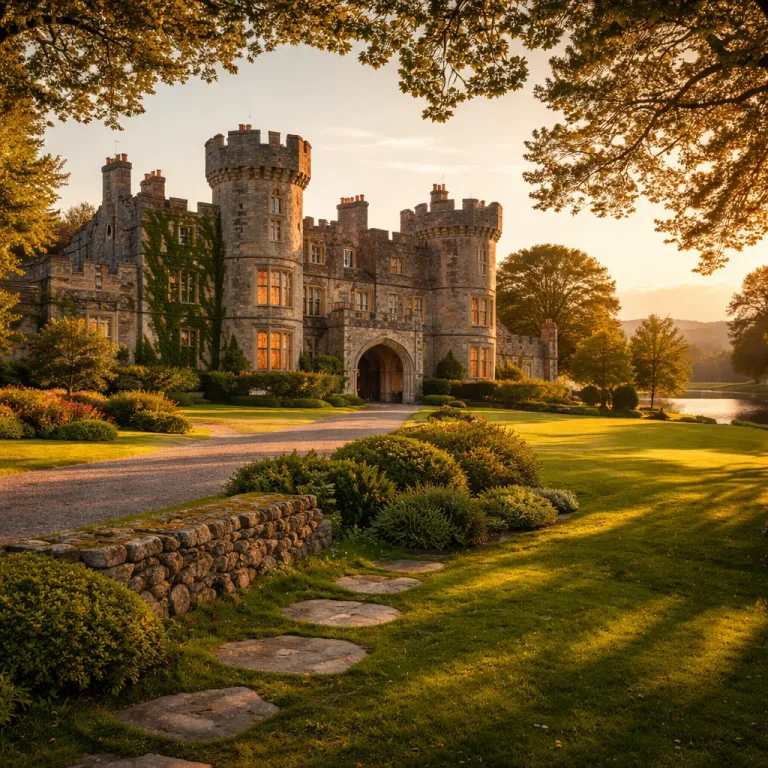
Why castle hotels in Ireland speak differently to Irish travellers
Staying in one of the castle hotels in Ireland is less about ticking a novelty box and more about choosing how you want to read the landscape. When you live here, a stay in a castle hotel becomes a way to understand your own county through stonework, family names and the long shadow of the townland, not just a weekend of luxury. That is why the best castle hotels Ireland offers feel rooted in their grounds and communities, rather than floating above them as generic hotels.
Across Ireland, there are 22 castle hotels listed as operating as full service accommodation, according to a 2024 review of publicly available hotel registers and heritage listings by My Ireland Stay, cross-checked against Fáilte Ireland’s accommodation database and the National Inventory of Architectural Heritage. In practice, this means you can book a room that sits inside walls first raised as a defensive castle and now softened by carpets, art and very good coffee. Some of these hotels Ireland travellers know well, like Ashford Castle in Cong or Dromoland Castle in County Clare, while others such as Lough Rynn in County Leitrim or Cabra Castle in County Cavan still feel like quiet secrets. When you plan a stay, think less about chasing the most famous Irish castle and more about which castle county matches your family’s rhythm, whether that is a short drive from Dublin or a long cross country travel day that becomes part of the story.
The eras matter because they shape your stay in a very physical way. A medieval century castle will give you arrow slits, thick walls and sometimes slightly quirky room layouts, while a later Gothic Revival castle hotel leans into grand staircases, tall windows and sweeping lawns that suit golf or croquet. Georgian country house conversions, such as some wings at Castle Leslie or the more restrained spaces at Ballynahinch Castle, often deliver the calmest bedrooms, ideal when you are travelling with children who need quiet more than turrets.
The eras of Irish castles: from fortification to family hotel
Walk into Ashford Castle and you feel the weight of an 800 year story, from its thirteenth century castle origins to its time as the Guinness family home and now as a polished luxury hotel. That timeline is typical of many castles in Ireland, where a defensive structure became a country house, then a castle hotel once the economics of running an estate shifted towards hospitality. When you compare castle hotels Ireland wide, you are really comparing these layers of history and how each property has chosen to interpret them for a modern stay.
Medieval castles such as parts of Dromoland Castle or the core of Lough Rynn Castle tend to have thicker walls, narrower corridors and more intimate public rooms, which can make a winter stay feel cocooned and deeply Irish in character. Gothic Revival castles, including much of Dromoland Castle’s current façade and the romantic silhouette of Castle Leslie in County Monaghan, were built to impress rather than repel, so you will notice grand halls, long galleries and grounds designed for strolling rather than defence. Georgian and Victorian country house wings, like those at Ballynahinch Castle or some sections of Cabra Castle, often host the most comfortable family rooms, with higher ceilings, better light and easier access to gardens where children can run safely.
In Killarney and across Kerry, several properties blend these eras, which is why a guide to experience castle hotels in Killarney is useful when you want to match the right castle to your own family’s expectations. Some hotels Ireland based travellers favour for anniversaries, such as a turret suite at a lakeside castle, may not suit a toddler who needs space more than drama. When you book, always check which part of the castle your accommodation sits in, because a room in an older tower feels very different to a room in a later courtyard block, even within the same castle hotel.
What a castle stay actually feels like, day to day
The romance of an Irish castle stay is real, but the practicalities matter just as much when you are loading the car in the rain on a Friday evening. Expect a slower rhythm than in city hotels, with check in often timed around afternoon tea, estate walks and the gentle choreography of dinner sittings. In many castle hotels Ireland based guests will find that the day is structured by the grounds themselves, from early walks through woodland to late night returns along quiet gravel drives.
Rooms vary widely, even within the same castle hotel, so always check floor plans and photographs before you book, especially if you are travelling with children or older relatives. A turret room in Cabra Castle or a historic suite at Kilkea Castle might thrill a teenager but feel awkward for a crawling baby, while a courtyard room at Ballynahinch Castle or a modern wing at Lough Eske can offer easier access and more predictable layouts. When you compare hotels Ireland wide, remember that some castles stay closer to their original footprints, which means steps, uneven floors and the occasional low doorway, while others have invested heavily in lifts, ramps and accessible bathrooms.
To make planning easier, think in terms of quick comparisons:
- Best for drama: turret rooms and historic suites in main keeps (great for teens, less so for buggies).
- Best for access: courtyard blocks and newer wings with lifts, wider corridors and level thresholds.
- Best for quiet: Georgian or Victorian country house bedrooms set slightly away from busy bars and function rooms.
Family friendly castle stays: matching estates to different ages
For families based in Ireland, the question is not whether to stay in a castle, but which castle hotels make sense for your children’s ages and your own patience levels. Ashford Castle, with its falconry school, lake activities and 350 acres of grounds, works beautifully for older children and teenagers who can roam a little and appreciate the theatre of a formal dining room. Dromoland Castle and Cabra Castle, by contrast, tend to suit younger families, with golf, woodland walks and more flexible dining options that make early bedtimes and high chairs feel normal rather than disruptive.
On the east coast, Barberstown Castle in County Kildare offers a gentler introduction to castle stays, especially for Dublin based families who want to minimise travel time yet still feel they have escaped the city. The castle hotel there blends older stone sections with later country house wings, so you can book interconnecting rooms that keep everyone close without sacrificing adult space. Up in Antrim, Ballygally Castle gives you a different kind of family break, where the castle sits almost on the shoreline and a simple walk along the coast becomes the day’s main event, especially when the weather turns and the Atlantic decides the mood.
Less obvious options reward families who prefer quieter grounds and fewer crowds, such as Lough Rynn in County Leitrim or Ballynahinch Castle in Connemara, where fishing, forest trails and low key luxury replace queues for activities. Castle Leslie, with its equestrian centre and lake, works well for horse mad children, while Kilkea Castle offers golf, archery and falconry within easy reach of the motorway network. When you plan a castles stay for the whole family, think about how each child will actually use the estate, from safe lawns for toddlers to more adventurous paths for teenagers who want to feel they are exploring their own corner of stay Ireland.
Quieter castle counties and under the radar estates
Once you have ticked off the headline names, the real pleasure of castle hotels in Ireland lies in the quieter castle counties, where the ratio of guests to acres feels more generous. Counties like Leitrim, Cavan and Monaghan offer castle hotels that sit deeply in their own landscapes, such as Lough Rynn, Cabra Castle and Castle Leslie, each with enough grounds to make a two night stay feel like a proper break. These hotels Ireland based travellers often overlook in favour of the west coast can deliver a more relaxed, less performative kind of luxury.
Waterford Castle on its private island in County Waterford is a good example of how a smaller Irish castle can offer a strong sense of place without the crowds of the better known names. You reach this castle hotel by a short ferry crossing, which instantly resets the tone of your stay and makes even a one night break feel like a proper journey. Within the estate, golf, woodland walks and quiet corners of the country house style interiors give families and couples space to move at their own pace, while the surrounding county offers easy day trips if you want to check out the wider area.
In the northwest, Lough Eske near Donegal town and Ballynahinch Castle in Connemara both sit in landscapes where the weather writes the script, which suits travellers who enjoy watching clouds move across water as much as they enjoy a spa treatment. Ballygally Castle on the Antrim coast adds another string to the quieter castles stay bow, especially for those who like to mix heritage accommodation with coastal drives and local pubs. When you book these less obvious properties, you will often find better value in shoulder seasons, more flexible room choices and staff who have the time to share stories that anchor your stay in the local townlands.
How to choose and book the right castle hotel for your stay
Choosing between castle hotels in Ireland is easier when you start with three filters, which are location, style of castle and how you actually like to spend your time. If you want a short drive from Dublin, Barberstown Castle, Kilkea Castle or Cabra Castle in neighbouring counties keep travel manageable while still feeling like a proper escape. For those happy to cross the island, Ashford Castle, Dromoland Castle, Ballynahinch Castle or Lough Eske reward the longer journey with bigger grounds, more activities and a stronger sense of being away from normal life.
Next, think about how you want to use the estate, because a golf focused castle county such as Clare or Kildare will suit some families, while others prefer fishing, riding or simply reading by a fire. Castle Leslie is ideal if horses are central to your break, while Waterford Castle and Lough Rynn lean into woodland walks, walled gardens and quiet corners of the country house interiors. When you plan a stay castle break, remember that many properties offer a mix of main castle rooms, courtyard accommodation and self catering lodges, which can make a longer castles stay more affordable without losing access to the main hotel’s restaurants and lounges.
Finally, be strategic about when and how you book, especially if you are working within a family budget. For example, a midweek autumn night in a courtyard room at a mid range castle hotel can start around €180–€220 for two adults, based on 2023–2024 sample rates published by leading estates, while peak summer weekends in flagship properties such as Ashford Castle or Dromoland Castle can run to several hundred euro per night for main castle rooms. Midweek stays in shoulder months often unlock better value, while estate cottages at places like Ballynahinch Castle or Castle Leslie can stretch a three night stay Ireland break into something more relaxed. Keep an eye on new openings and refurbishments too, such as the much anticipated Grace Westport, where our detailed review of inside Ireland’s most anticipated hotel opening shows how the line between castle, country house and contemporary hotel is becoming more fluid for Irish travellers.
Living history: why castle stays deepen your sense of Ireland
Spending a night in an Irish castle is not about playing dress up, it is about sleeping inside the same stone that has watched over your county for centuries. When you wake in a room at Lough Rynn or Cabra Castle and look out over mist on the grounds, you are seeing the same contours that shaped local stories, from land wars to wedding photographs. That continuity is what separates a true castle hotel from a themed property that borrows the language of heritage without the lineage.
Across castle hotels Ireland wide, owners and operators are increasingly aware that domestic travellers want authenticity rather than theatrics. Ashford Castle, Dromoland Castle and Castle Leslie have all invested heavily in restoration that respects original features while integrating modern comfort, which means you can enjoy a powerful shower and strong Wi Fi without losing the sense of being in a living, layered building. In places like Ballygally Castle or Barberstown Castle, the balance tilts slightly more towards the feel of a country house, but the underlying castle structure still shapes how sound travels, how light falls and how you move through your stay.
For families, these stays become a quiet form of education, where children learn that castles are not just backdrops for films but part of how Ireland organised power, land and community. A weekend at Kilkea Castle or Waterford Castle can spark questions about who built these walls, who worked the surrounding fields and how those stories connect to the towns you drive through on the way home. When you choose accommodation in a real century castle rather than a generic resort, you are not only buying a luxury break, you are also supporting the preservation of buildings that carry irreplaceable Irish history into the next generation.
Key figures on castle hotels and heritage stays in Ireland
- There are 22 castle hotels currently operating as full service hotels in Ireland, according to data compiled in 2024 by My Ireland Stay from Fáilte Ireland listings and heritage accommodation registers, which means domestic travellers have a broad choice of locations and styles for a castle stay.
- Ashford Castle, often cited as the oldest continuously operating castle hotel in Ireland, traces its origins to construction in 1228, a date recorded in the National Inventory of Architectural Heritage and widely referenced in hotel and tourism archives, illustrating how a single estate can carry nearly eight centuries of architectural and social history.
- Castle Leslie and Dromoland Castle each sit on estates of around 1,000 acres, as stated in their published estate maps and planning documents, which gives guests access to extensive grounds for walking, riding and other outdoor activities without leaving the property.
- Cabra Castle’s 100 acre estate in County Cavan, adjacent to Dún a Rí Forest Park, offers a high ratio of green space to guest rooms, which is particularly valuable for families seeking safe outdoor areas for children.
- Industry data on heritage accommodation in Ireland, including reports from Fáilte Ireland and the Historic Hotels of Europe network, shows rising demand for experiential travel and luxury stays in historic properties, which supports ongoing investment in restoration, accessibility and family friendly facilities across castle hotels.
FAQ about castle hotels and historic stays in Ireland
What is the oldest castle hotel in Ireland ?
According to verified accommodation data and heritage records, the answer to “What is the oldest castle hotel in Ireland?” is Ashford Castle, with its earliest construction phase dated to 1228 in the National Inventory of Architectural Heritage. That original thirteenth century structure has been expanded and restored over time, but the core of the building still reflects its medieval origins. Today it operates as a full service luxury hotel with modern amenities layered carefully onto historic fabric.
Are castle hotels in Ireland always very expensive ?
“Are castle hotels in Ireland expensive?” and the answer is “Prices vary; some are luxury, others more affordable.” Top tier properties such as Ashford Castle or Dromoland Castle command premium rates, especially for main castle suites in peak season. However, many estates offer courtyard rooms, lodges and midweek packages that make a castle stay accessible to more domestic travellers, with entry level rates at smaller properties sometimes comparable to city boutique hotels.
Do castle hotels offer modern comforts like Wi Fi and spas ?
“Do castle hotels offer modern amenities?” and the answer is “Yes, most blend historic charm with modern comforts.” Across Ireland, leading castle hotels have invested in strong Wi Fi, contemporary bathrooms, spa facilities and upgraded bedding while preserving original features. When you book, it is still worth checking individual room descriptions, because some heritage rooms retain more traditional layouts than newer wings.
How far in advance should I book a castle stay in Ireland ?
For peak weekends, school holidays and bank holiday periods, you should aim to book several months in advance, especially for family rooms or interconnecting accommodation. Shoulder season midweek dates can be available closer to arrival, but popular properties such as Ashford Castle, Castle Leslie or Cabra Castle still fill quickly for weddings and events. If your dates are fixed, reserve early and then check back for packages that may be added closer to your stay.
Which castle hotels work best for families with young children ?
Cabra Castle, Dromoland Castle and Barberstown Castle are particularly good for younger families, thanks to flexible dining, accessible grounds and a mix of room types. Ashford Castle and Castle Leslie tend to suit older children and teenagers who can enjoy activities such as falconry, riding or kayaking with more independence. Always contact the hotel directly to check cot availability, babysitting options and any age restrictions on specific activities, and ask for an accessibility note if you need step free routes or adapted bathrooms in heritage rooms.