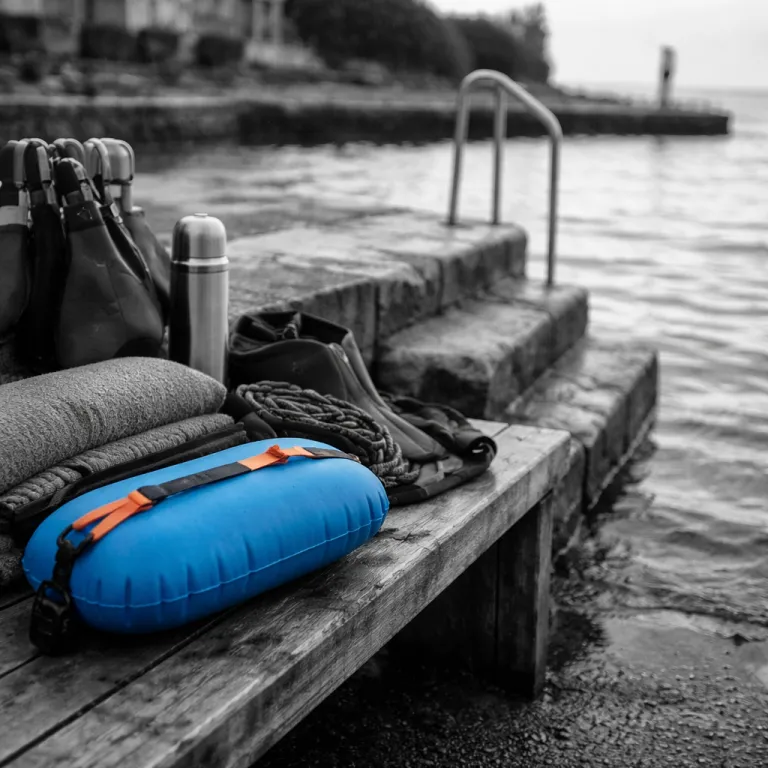
Wild swimming hotels in Ireland for couples who want the sea as their spa
Wild swimming hotels in Ireland now treat the Atlantic as their primary spa. For Irish couples used to traditional hotel pools, the shift towards cold water immersion feels both radical and strangely familiar, because the ritual echoes childhood summers at the local beach with a flask of tea in the car. These coastal hotels in Ireland are building serious infrastructure so that guests can move from bed to water and back again in comfort.
On the east coast, The Forty Foot in Dublin Bay is the spiritual home of Irish sea swimming, and several luxury hotels in Dublin city now design their wellness offering around that daily tide. A short drive from the capital, you will find properties where guests enjoy pre breakfast dips, guided by staff who know every rock, current and eddy on this stretch of coast, making the experience feel both wild and reassuringly curated. For couples who want countryside escapes rather than urban noise, the same model is appearing along quieter inlets where steep cliffs shelter small coves and the only sound is the sea.
Wellness tourism data from the Global Wellness Institute’s 2023 Global Wellness Economy Monitor, which values global wellness tourism at over $800 billion, shows a market already worth hundreds of billions of dollars, and Irish hoteliers have noticed that guests now value experiences over marble clad spa corridors. Cold water swimming hotels offer an alternative to the heated indoor pool, using the sea as free infrastructure and investing instead in heated changing rooms, outdoor showers and compact saunas perched above beautiful views. The benefits of cold water immersion are backed by research from institutions such as the University of Portsmouth and studies in the British Journal of Sports Medicine, which highlight improved circulation, reduced inflammation and enhanced mood as key outcomes when exposure is gradual and supervised.
From Dublin’s forty foot to quiet coves: where the pool is the sea
Start with Dublin if you want to ease into wild swimming hotels in Ireland without giving up city comforts. Around Dublin city, premium hotels such as The Shelbourne, The Marker and The Cliff Townhouse now arrange early morning transfers to The Forty Foot and nearby Sandycove, timing arrivals so guests enjoy the calmest water and the softest light over the bay. On a rare hot day, you will share the rocks with half the county, but in shoulder seasons the atmosphere is gentler and the experience feels almost private.
These Dublin hotels understand that the sea is not just an outdoor amenity but the main pool, so they provide tow floats, robes and flasks of something warm for the walk back from the water. Couples can book packages where a guide leads the short sea swim, explains local safety conditions and points out the safest rock ledges for entry, making the first cold water immersion less intimidating. A typical guided session lasts 20 to 40 minutes including briefing, with actual time in the water often limited to five or ten minutes for beginners. Back at the hotel, you step straight into a small sauna or steam room, then linger over breakfast while watching ferries slide past the harbour with lovely views of the headlands.
If you prefer countryside escapes to the capital, look south and west where steep cliffs and small beaches create natural amphitheatres for water swimming. County Wicklow and Wexford offer sheltered coves such as Brittas Bay, Silver Strand and Curracloe within two hours of Dublin by car, ideal for a Friday evening drive after work and a pre dinner dip before the dining room fills. For couples planning a longer loop, pairing a coastal wild swimming hotel with an inland heritage stay from a guide such as Ireland’s Ancient East hotel collection creates a balanced travel experience that mixes sea air with castles, gardens and small towns.
The post swim ritual: saunas, warming rooms and sea facing comforts
The best wild swimming hotels in Ireland understand that the magic lies not only in the cold water but in what happens afterwards. You step out of the sea with numb fingers, climb the rock steps back to the hotel’s private access or slipway, then move through a sequence of warmth that feels almost ceremonial. This post swim ritual is where premium properties differentiate themselves from simple coastal accommodation.
Look for hotels that have built dedicated outdoor facilities for sea swimmers rather than just pointing you towards a public beach down the road. The most thoughtful properties offer heated changing cabins beside the water, hot showers with strong pressure, and compact saunas or hot tubs positioned for beautiful views of the bay, making the contrast between cold and heat feel both bracing and indulgent. Some hotels, such as The Cliff House Hotel in County Waterford or The Twelve in Barna, County Galway, schedule specific wild swimming sessions at sunrise and dusk, so guests enjoy quieter access to the water and a more intimate experience with the coastline.
For couples, this rhythm quickly becomes the anchor of the day, more memorable than any indoor pool or generic spa circuit. You might swim before breakfast, warm up in the sauna, then spend the afternoon exploring local experiences such as cliff walks, harbour cafés or small galleries before returning for a second dip at golden hour. When planning, it is worth reading detailed property reviews and curated guides like the elegant Galway B and B recommendations, because the right combination of sea access and post swim comfort will define your stay and often justifies higher nightly rates.
Safety, seasons and how to choose your cold water hotel
Cold water swimming is exhilarating, but the sea around Ireland demands respect, especially when steep cliffs, strong currents or hidden rock shelves are involved. When you assess wild swimming hotels in Ireland, prioritise properties that treat safety as part of the luxury offering rather than an afterthought. The most reliable hotels brief guests on tides, flag unsuitable conditions and sometimes restrict swimming to guided sessions only, following advice from organisations such as the RNLI and the Irish Coast Guard, which both emphasise gradual entry, staying within your depth and never swimming alone.
Many of the better coastal hotels now offer buddy systems, where staff or local guides accompany small groups into the water and monitor swimmers from the shore. Some provide life buoys, clear entry and exit points, and even short safety workshops that explain how cold water affects the body, making the experience more informed and less performative. Typical sea temperatures range from about 7–9°C in February and March to 15–17°C in late August and early September, so before you book, ask whether the hotel has direct sea access, what safety measures are in place and whether there are alternative options such as a sheltered outdoor pool for days when the sea is too wild.
Season matters as much as location for couples planning a romantic but realistic escape. Late spring and early summer bring longer light, slightly less cold water temperatures and quieter beaches before peak holiday crowds, which makes early morning or evening swims feel more intimate. In winter, the experience becomes more extreme and you will rely heavily on the hotel’s warming facilities, so only choose properties with excellent post swim infrastructure if you plan to travel then and be prepared for shorter immersion times and stronger winds.
Wellness, global trends and why the Atlantic beats a tiled spa
Cold water immersion has moved from fringe activity to mainstream wellness, and Irish coastal hotels are leaning into that shift with confidence. Around the world, properties such as Hotel Terme Millepini in Italy with its deep diving pool, Hylliebadet in Sweden with its outdoor plunge and Santa Monica Proper Hotel in California with its cold tub show how hospitality is integrating water based therapies into everyday stays. Irish hoteliers are taking the same logic and applying it to the Atlantic, using the sea as the main pool and investing in thoughtful infrastructure on land.
Global wellness tourism is now valued at hundreds of billions of dollars according to the Global Wellness Institute’s 2023 report, which notes that wellness trips command a price premium over standard travel, and cold water swimming hotels offer a compelling alternative to energy hungry indoor pools and large destination spas. Monart may remain Ireland’s only fully dedicated destination spa, but coastal properties are quietly building a different model where the wild element is central and the hotel acts as a warm, elegant shell around the experience. For many couples, that balance between raw nature and excellent hospitality feels more authentic than a windowless treatment corridor.
Practicalities still matter, especially if you are new to water swimming or have health considerations. Experts consistently advise guests to check facility availability in advance, bring appropriate swimwear and consult a doctor if they have cardiovascular concerns before attempting intense cold immersion, because cold plunge pools and the Atlantic can stress the system. When you find a hotel that combines safety, comfort, local experiences and direct sea access, you will understand why the best wild swimming hotels in Ireland make the pool and the sea feel like one continuous, unforgettable ritual, whether you are booking a single night or a long weekend escape.
FAQ
What are the main benefits of staying at a cold water swimming hotel in Ireland ?
Staying at a cold water focused hotel in Ireland gives you structured access to the sea with safety support, warming facilities and local guidance. You enjoy the proven benefits of cold water swimming, including improved circulation, reduced inflammation and enhanced mood, without sacrificing comfort. For couples, the shared ritual of early swims, saunas and slow breakfasts often becomes the highlight of the trip and can feel more memorable than a standard spa weekend.
Are cold plunge pools and sea swimming safe for everyone ?
Cold plunge pools and open water swimming are generally safe for healthy adults, but they place extra stress on the heart and circulation. If you have cardiovascular issues, respiratory conditions or are pregnant, you should consult a doctor before booking a stay that centres on cold immersion. Even for fit swimmers, it is wise to start with short dips, follow hotel safety advice and avoid swimming alone, especially in unfamiliar coves or strong swell.
Do I need to book wild swimming facilities in advance at these hotels ?
Many coastal hotels now require advance booking for guided swims, saunas and small outdoor hot tubs, especially at weekends. Checking availability before you confirm your room ensures that the key elements of your stay, such as sunrise dips or evening sauna slots, are actually reserved. This is particularly important during peak wellness travel periods when spa style amenities can sell out weeks ahead and last minute walk in slots are rare.
How should I prepare for my first cold water swim at a hotel ?
Preparation starts with simple gear such as a well fitting swimsuit, a warm hat, neoprene booties and a loose layer to pull on immediately after leaving the water. Eat lightly beforehand, avoid alcohol and listen carefully to the hotel’s safety briefing about tides, entry points and maximum recommended time in the sea. After the swim, move quickly to a warm shower or sauna, then rehydrate and rest to let your body adjust and avoid the post swim chill that can arrive several minutes later.
Is wild swimming in Ireland only a summer activity for hotel guests ?
Wild swimming in Ireland happens year round, but the character of the experience changes with the seasons. Late spring and early summer offer longer days, slightly milder water and quieter beaches, which many couples find perfect for a first cold water holiday. Winter swims can be powerful and beautiful, yet they demand shorter immersion times, stronger safety measures and hotels with excellent post swim heating and shelter, so they suit guests who already have some cold water experience.