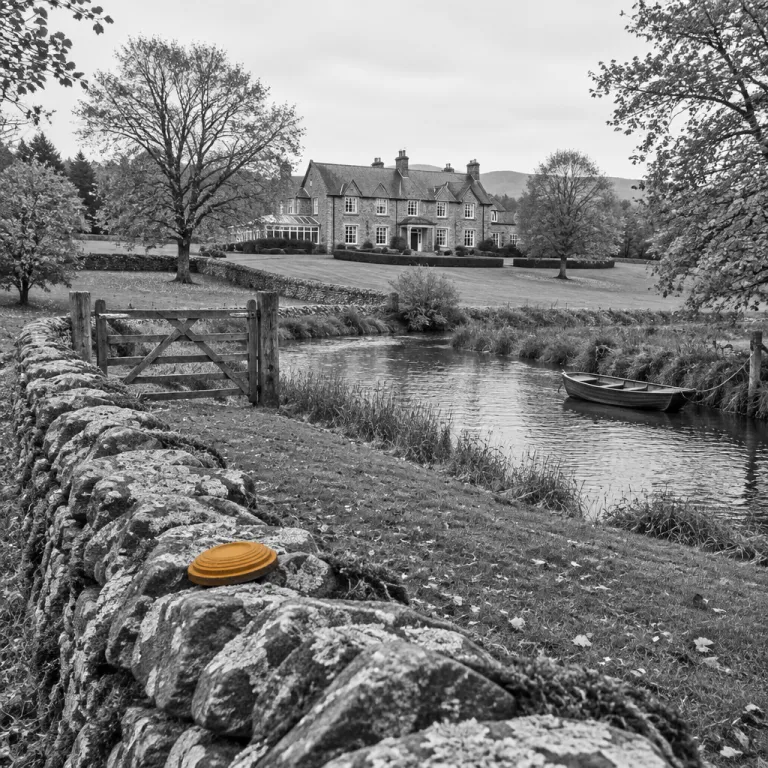
The autumn pull of Ireland’s sporting estates
Autumn in Ireland changes how a country house hotel feels. The light drops lower over each county river, and sporting estate hotels in Ireland shift from summer weddings to rods, dogs and waxed jackets. For an Irish traveler planning a short break, this is when a simple hotel room becomes a base camp for serious field sport.
These sporting estate hotels in Ireland are not just luxury hotels with a nice garden and a spa ; they are working landscapes where beats, woods and lakes are part of the offer. The best luxury properties manage the balance between a lived in manor house atmosphere and the polish of a five star luxury hotel, so you can come in from the rain, leave wet gear at the lodge door and still sit down to dinner in the kind of dining room you expect from a Europe hotel level property. When you book a hotel in Ireland for this kind of stay, you are really booking access to a private estate rhythm that runs on river levels and first light.
Think of it as a different category from a hotel in Dublin or a city spa retreat. In Dublin city you might choose a hotel Dublin address for meetings and restaurants, while here you choose a castle or manor because the ghillie is as important as the sommelier. For Irish based travel, that means planning around the county you want to fish or shoot in, then choosing from the sporting estate hotels in Ireland that actually own or directly manage their sport rather than outsourcing it to a third party operator.
From rod to gun: what defines a true sporting estate stay
A true sporting estate hotel in Ireland starts with land and water. Properties such as Ashford Castle, Adare Manor, Sheen Falls Lodge and Mount Juliet Estate sit within extensive grounds, and each uses its river, lake or woodland in a different way for guests who care about field sports. When you compare sporting estate hotels in Ireland, look for clear information on in house ghillies, guides and access to beats rather than vague promises of nearby activities.
On the water, the focus is usually salmon and trout, with some estates offering lake boats and others concentrating on river stretches that run through their own castle county demesne. Sheen Falls and its Falls Lodge setting outside Kenmare in County Kerry, for example, place you close to the Ring of Kerry while still feeling like a self contained lodge where the river is part of the soundtrack. If your travel plans lean more towards still water and lakeside calm, it is worth reading pieces such as this guide to late August on the lakeshore and Ireland’s lakeside hotels before you decide whether a river or lake suits your style.
On land, some sporting estate hotels in Ireland arrange rough shooting, clay grounds or falconry, while others focus on long estate walks that trace old carriage drives between manor house and lodge. Ashford Castle and Dromoland Castle are well known for structured activities, whereas a quieter country house in County Clare or County Limerick might simply hand you a map and point you towards the woods. Either way, the key is that the hotel, whether castle, manor or lodge, treats the land as part of the stay, not just a backdrop for marketing photographs.
Where to stay: castles, manors and lodges with a sporting soul
For many Irish travelers, Ashford Castle is the reference point for sporting estate hotels in Ireland. The castle itself, overlooking Lough Corrib, combines a serious activity programme with the kind of luxury hotel service where every room feels individually considered, and the adjacent village and countryside keep it grounded in real County Mayo life. Across the water at Glenlo Abbey Hotel, just outside Galway city, the mood is quieter but still rooted in the idea of a manor house with land, where golf and gentle estate walks sit alongside easy access to the coast.
On the southern side of the island, Adare Manor in County Limerick and Sheen Falls Lodge in County Kerry offer two very different takes on the sporting estate model. Adare Manor is a grand neo Gothic manor house in a tidy village setting, with a polished, international style that appeals to guests who might also stay at Powerscourt Hotel or a Europe hotel level property on the continent, while Sheen Falls Lodge feels more like a riverside lodge at the edge of the Ring of Kerry, where the sound of the falls shapes the day. If you are curious about how Irish language and local culture play into the wider hotel Ireland scene, it is worth reading about hotels where Irish is spoken at breakfast before you choose a county for your next stay.
Further east, Mount Juliet in County Kilkenny and Powerscourt Hotel in County Wicklow sit in landscapes that feel more manicured but still offer that essential mix of house, garden and woodland. Mount Juliet leans into its manor house heritage with walled gardens and river access, while Powerscourt Hotel looks out over one of Ireland’s most famous demesnes, where the garden design is as much a draw as any field sport. None of these are purely shooting or fishing lodges, yet all belong in a conversation about sporting estate hotels in Ireland because they understand that guests book them for land, light and the promise of a fire at day’s end.
Inside the stay: rooms, evenings and the rhythm of the estate
Once you have chosen between castle, manor or lodge, the real test of sporting estate hotels in Ireland is how they handle the hours off the river or hill. A good country house hotel will think about rooms in terms of wet gear, early starts and naps after long drives, so you will see boot rooms, drying presses and quiet corridors rather than only showpiece suites. In practice, that means checking whether your chosen hotel Ireland option offers practical room layouts, flexible breakfast times and staff who understand why you might want a packed lunch at dawn.
Evenings are where these properties earn their luxury hotels reputation. After a day outside, you want a bar that knows its Irish whiskey, a drawing room with a real fire and a dining room that can handle both tasting menus and hearty plates for guests who have been on their feet since first light, and the best luxury properties deliver that without fuss. In a castle or manor house setting, the transition from muddy boots to polished shoes should feel natural, with public rooms that welcome tweed and fleece as comfortably as city tailoring from Dublin.
Details matter here, from how the spa handles tired shoulders to whether the garden is lit for a short walk after dinner. Some sporting estate hotels in Ireland, such as Ashford Castle or Dromoland Castle, add small touches like library carts, whiskey tastings or quiet corners where you can plan the next day’s travel with a map rather than a screen. Others, including smaller lodges and country house hotels in County Clare or along the Ring of Kerry, rely on the simple pleasure of a well poured drink, a comfortable room and staff who remember how you take your coffee before first light.
Booking smart: permits, conservation and choosing the right estate
Booking sporting estate hotels in Ireland as an Irish based traveler means thinking beyond the usual filters of spa, city access and price. You need to ask how the estate manages its fishing beats, what permits are required, whether guides are in house or external, and how many rods or guns the land can realistically support on a given day. A castle county property that owns its riverbank will usually offer a more seamless experience than a hotel that simply arranges transfers to a public stretch of water.
Responsible sport and conservation now sit at the centre of any serious field sport conversation in Ireland. Many of the leading castle and manor properties work closely with local clubs, fisheries boards and conservation groups to manage stocks, protect habitats and shape their sporting calendar around what the land and water can sustain, and as a guest you should feel comfortable asking direct questions about this before you book. When you are comparing sporting estate hotels in Ireland, look for clear, transparent information on bag limits, catch and release policies, and how the estate invests back into its woods, rivers and gardens.
Finally, consider the wider shape of your trip. You might pair a few nights at a lodge near the Ring of Kerry with a night in a hotel Dublin property for work, or combine a stay at Glenlo Abbey with a food focused weekend in Galway city, using guides such as this piece on where to stay for the Galway Oyster Festival to plan your timing. The point is to treat sporting estate hotels in Ireland not as isolated castles or manors, but as anchors in a wider pattern of Irish travel where the drive, the pub stops and the changing light between counties are all part of the experience.
FAQ
What makes a hotel a true sporting estate in Ireland ?
A true sporting estate hotel in Ireland owns or directly manages land and water used for activities such as fishing, shooting, falconry and structured estate walks. The property will usually have in house ghillies or guides, clear information on permits and access, and a layout that supports early starts and wet gear. Hotels that simply arrange third party activities without controlling the land are better seen as activity hubs rather than full sporting estates.
Do I need my own equipment for fishing or shooting stays ?
Most leading sporting estate hotels in Ireland can provide rods, basic tackle and safety equipment, and many can arrange gun hire through licensed partners where regulations allow. Regular field sports guests often bring their own kit, but first timers can usually rely on estate gear for a short stay. Always check in advance, as policies differ between castles, manors and lodges, and some estates require you to bring specific items such as waterproofs or boots.
How far in advance should I book an autumn sporting break ?
Autumn is peak season for many sporting estate hotels in Ireland, especially during key salmon runs and popular shooting dates. Irish travelers should plan several months ahead for prime weekends, particularly at headline properties such as Ashford Castle, Adare Manor or Sheen Falls Lodge. Midweek stays often offer more flexibility, but you should still secure both your room and any guided days on the river or hill at the same time.
Are sporting estate stays suitable for non sporting partners or families ?
Yes, many castle and manor house hotels balance field sports with spas, gardens, cookery classes and gentle estate walks, so non sporting guests can enjoy a parallel break. Properties such as Dromoland Castle, Mount Juliet or Powerscourt Hotel are known for strong leisure facilities alongside any country pursuits. When booking, ask the hotel to outline options for children, spa access and local sightseeing so everyone has a satisfying stay.
How can I assess an estate’s approach to conservation before booking ?
The most reliable sporting estate hotels in Ireland publish clear information on conservation, catch and release policies, habitat projects and partnerships with local clubs or environmental bodies. If this is not visible on the website, contact the hotel directly and ask specific questions about how they manage their river, woodland and wildlife. A property that answers openly and in detail is more likely to align with responsible, long term field sport values.