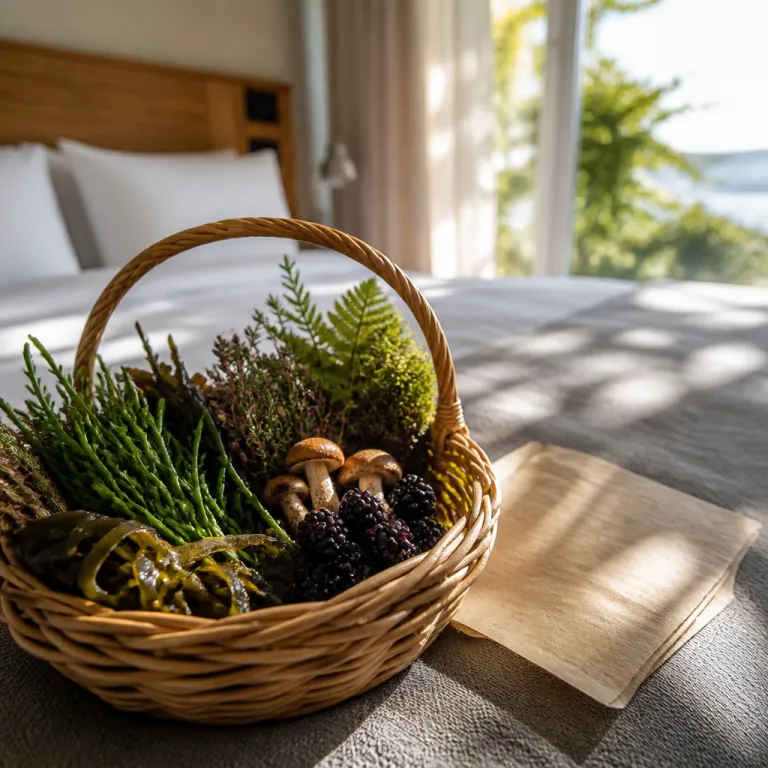
What a genuine foraging hotel in Ireland really offers
A genuine foraging hotel in Ireland treats the surrounding land as its larder. The best places turn the idea of a simple farm to fork menu into a full foraging hotel ireland farm to fork immersion, where you walk the fields and shoreline before you ever sit at the table. You feel the west coast weather on your face, hear the crows over the farm, and start to sense how every dining experience is rooted in a specific location.
The difference shows in how they talk about food and farming. A marketing line about local produce is not enough ; the serious properties name their local farmers, their fishing boats, their small scale growers and the exact field where the fruit and vegetables were lifted that morning. When a chef can tell you the food story of a single carrot or a piece of burren food, you know this is more than a trend.
Look for hotels where foraging is built into the experience, not bolted on. At Great Southern Killarney, the Taste the Wild programme pairs guided walks with an award winning kitchen that understands seasonal produce from the surrounding wild land. Dromoland Castle in County Clare offers wild foraging experiences that feel like slow travel in miniature, turning hedgerows and woodland into an outdoor classroom where you learn to read the landscape.
From west Cork to Kerry: Ireland’s foraging heartland
Along the south west coast, the drive itself becomes travel inspiration. Between west Cork and Kerry, the wild Atlantic air shapes everything from the seaweed on the rocks to the artisan food on your plate, and the best hotels here lean fully into the foraging hotel ireland farm to fork philosophy. You move through a patchwork of farm land, salt marsh and oak woodland, each offering its own wild ingredients.
This corridor is where seaweed, wild garlic, mushrooms and shoreline herbs quietly define the menu. Hotels that take food provenance seriously will often run guided tours at dawn or dusk, when the tide and light are right for picking, and those tours are usually led by local experts rather than a passing intern. The most convincing properties talk openly about sustainable harvesting, small scale fishing and how they work with local farmers to protect fragile habitats along the west ireland coast.
Across Ireland, foraging experiences are becoming a marker of serious hospitality rather than a novelty. Industry data shows a clear rise in experiential travel, and foraging workshops now number around fifty nationwide, with a strong cluster along the wild Atlantic seaboard. For a deeper look at how this shift in food culture is reshaping hotel dining rooms, the analysis in the rise of the Irish hotel restaurant is essential reading for anyone planning their next stay.
Field to plate: how hotels turn foraging into dinner
The most convincing foraging hotel ireland farm to fork stays follow a simple rhythm. You walk, you learn, you meet the people behind the food, and only then do you sit down at the farm table or in the dining room. That sequence turns a meal into an experience, and it is where the line between field, fork and bed starts to blur.
Blackstairs Eco Trails in Carlow and The Herb School near Dublin show how this can work beyond the west coast. Both partner with hospitality providers to offer guided walks, hands on workshops and culinary demonstrations that explain exactly how wild plants move from hedgerow to table. Guests are encouraged to ask questions about sustainable foraging, to handle the plants, and to understand why some species are left untouched so that the land can reset between seasons.
Hotels that take this seriously often build their own farm table culture. You might see a menu that lists a specific farm fork partnership, naming the farm that supplied the lamb and the grower who raised the fruit and vegetables in a walled garden. For couples who experiences enjoy slow evenings, a meet the producer dinner can be the highlight of a trip, especially when it is paired with a stay at a property already known for refined service, such as the elegant Cork retreat reviewed in our guide to Irish city hotels with serious food credentials.
Where to stay: from the Burren to Connemara and county Mayo
On the west coast, a handful of hotels and lodges now treat the Burren and Connemara as open air larders. In the Burren, the limestone pavement warms quickly, encouraging early herbs and flowers that shape the character of burren food and the wider food story of the region. A strong foraging hotel ireland farm to fork ethos here means chefs walk the same paths as their guests, often on the same morning.
Further north, Connemara’s bog and shoreline offer a different palette of wild flavours. Here, the best locations balance farming and foraging, working with local farmers who understand how grazing patterns affect the plants that appear in spring and summer. In county Mayo, small scale operations along the wild Atlantic edge are starting to host intimate farm table suppers, where seasonal produce and local produce from neighbouring farms share space with carefully gathered shoreline greens.
When you book a stay in west ireland with food at the centre, ask specific questions. Which farms supply the kitchen, and can you visit them during your travel, even briefly, to meet the people behind the ingredients at your table ? Are there guided tours of the kitchen garden or nearby land, and will you be able to see how fruit and vegetables are grown, stored and cooked across the seasons ? For more ideas on where to taste the best food during a hotel stay, our guide to food led luxury stays in Ireland offers a useful shortlist.
How to choose and book a foraging led stay in Ireland
For Irish couples planning a short break, the key is to read between the lines. A genuine foraging hotel ireland farm to fork experience will be described in detail, with clear references to specific walks, named guides and the times of year when different wild foods are available. Vague mentions of artisan food or local produce without context usually signal a lighter touch.
Look for properties that integrate foraging into wider sustainable practices. Clare Ecolodge, for example, uses sustainably managed woodland and composting, showing how land management and food sourcing can align without feeling performative or preachy. When hotels talk openly about how they work with local farmers, how they manage waste and how they support small scale producers, you can trust that sustainability is more than a slogan.
When you book online, treat the process as part of the journey rather than a chore. Read the sample menus, check whether there are seasonal foraging tours, and ask if you can join a workshop to learn basic plant identification so that your experiences enjoy a richer context. If you forget your login details on a booking platform, the password reset step is a small price to pay for securing a room where the land, the table and the bed all tell the same food story.
FAQ
What is foraging and is it safe during a hotel stay ?
Foraging is the act of searching for and collecting wild food resources. It is safe when guided by qualified experts who can identify edible plants and explain which species must never be touched. Many Irish hotels partner with specialists so that guests can learn in the field without taking unnecessary risks.
Do I need experience to join a hotel foraging workshop in Ireland ?
You do not need any prior knowledge to take part. Workshops at places such as Blackstairs Eco Trails or The Herb School are designed for beginners and focus on clear explanations, slow walking and hands on learning. You will usually be provided with baskets or bags, and sometimes simple field guides to help you remember key plants.
What should I bring for a foraging walk linked to my hotel ?
Plan for Irish weather and uneven ground. Comfortable walking shoes, a waterproof layer and warm clothing will make the experience more enjoyable, especially along the wild Atlantic coastline. Some providers suggest bringing a small notebook so you can record what you learn about seasonal produce and local habitats.
Are foraging experiences suitable for children travelling with us ?
Many foraging walks and workshops in Ireland are family friendly. Providers often adapt the pace and content so that children can engage safely, focusing on common plants and simple identification tips. Always check with the hotel or organiser in advance, as some routes over rough land may not suit younger children.
How does foraging connect to sustainability in Irish hotels ?
Responsible foraging encourages guests to value local ecosystems and to understand the limits of what can be taken from the land. Hotels that integrate foraging into a wider sustainable approach often use composting, careful water management and partnerships with local farmers to reduce their overall impact. This combination of wild food education and thoughtful operations helps guests reset their expectations of what luxury dining can mean in Ireland.