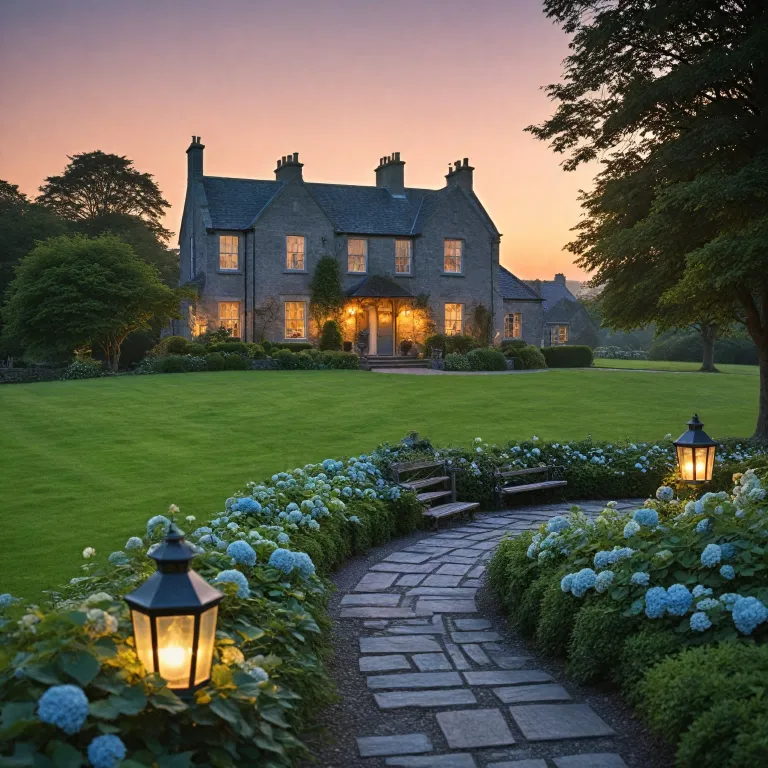
Gothic grandeur of dromore castle limerick ireland for the Irish traveller
For a traveller based in Ireland, the story of dromore castle limerick ireland offers a refined lens on what true luxury near home can mean. This castle in County Limerick was created as a country retreat, and its history now shapes how you might evaluate premium stays across the region. When you plan a special escape, understanding this architectural heritage helps you read between the lines of every glossy hotel description.
The castle stands near Pallaskenry in the quiet west of the county, where the landscape feels both intimate and dramatic. Its position close to the north shore of dromore lake, with woodland to the south and open fields to the north west, shows how carefully nineteenth century patrons chose their settings. When you compare luxury hotels in county limerick, look for similar relationships between house, water, and land, because that balance often signals thoughtful design rather than simple grandeur.
Dromore castle was commissioned by the 3rd earl of limerick and designed by Edward William Godwin, whose name still resonates in discussions of irish gothic revival style. The castle designed by this architect used local limestone and a strongly pointed silhouette to create a romantic yet rigorous composition. When a premium hotel mentions heritage, ask how deeply its story is tied to figures such as william godwin, william pery, or lord glentworth, because genuine lineage usually translates into more authentic experiences.
Reading gothic revival details when choosing a luxury stay
The exterior of dromore castle shows how gothic revival can guide your eye when browsing luxury hotel photography. You will notice the pointed arch motifs repeated around the entrance and windows, echoing medieval irish gothic churches yet refined for a private residence. Similar pointed details on contemporary properties in limerick city or elsewhere in ireland often indicate a designer who respects context rather than chasing trends.
One of the most striking features round the castle is its round tower, which rises above the ground floor and anchors the irregular skyline. When you see a hotel conversion in a former castle or country house, check whether any round towers or square towers are simply decorative or meaningfully integrated into the interior layout. At dromore, the round tower and adjacent tower elements were part of a coherent revival style composition, not just theatrical props.
The use of local limestone at dromore gives the walls a soft grey tone that changes with the west of ireland light. Many premium hotels in county limerick now echo this palette, pairing limestone with glass to frame views towards the north or south, depending on the site. If you value tranquillity, prioritise properties whose architectural heritage and materials feel rooted in the same landscape that once appealed to the earl limerick and his peers, and consider how a refined coastal resort such as a premium family resort on the north coast handles light, stone, and sea when benchmarking Irish options.
Interior inspiration from dromore castle for premium Irish hotel rooms
Although dromore castle is now a private property with no public access, its documented interior still influences how experts assess luxury spaces. Historical accounts mention richly detailed wall paintings and an interior that balanced gothic drama with domestic comfort. When you evaluate premium suites in ireland, look for similar attention to wall finishes, ceiling height, and the relationship between windows and views across water or parkland.
The ground floor of the castle reportedly organised reception rooms around a central entrance hall, with a pointed arch framing key thresholds. This layout created a natural flow from public to private spaces, something the best hotels in county limerick quietly emulate. If a property claims inspiration from irish gothic or gothic revival, ask how its interior circulation echoes the clarity once found at dromore, rather than relying on dark colours and heavy fabrics alone.
For travellers comparing multiple premium options, it can help to benchmark against curated resources such as premium suites Ireland booking guides. These often highlight suites where architectural heritage is more than a marketing phrase, much as the original house at dromore reflected the ambitions of edward william godwin and his client. Seek rooms where the interior design acknowledges the surrounding county limerick landscape, perhaps orienting beds or seating towards the north west or south, in the same way the castle addressed dromore lake and its wooded shores.
From private castle to premium stay: access, privacy, and expectation
Today, dromore castle remains firmly a private property, and “Can the public visit Dromore Castle?” is answered simply with “No, it's private property; permission is required.” This restriction shapes how you should think about privacy when booking a luxury hotel near limerick or elsewhere in ireland. The seclusion once reserved for an earl now becomes a benchmark for the discretion and calm that premium travellers quietly expect.
The castle’s abandonment due to dampness and the later removal of its roof underline a crucial lesson for modern hospitality. Even the most romantic irish gothic structure must meet practical standards of comfort, insulation, and maintenance to satisfy today’s guests. When you read about a castle designed conversion or a heritage house hotel, ask specific questions about climate control, window restoration, and how the limestone walls have been upgraded for contemporary living.
For a traveller based in ireland, the fact that dromore is visible only from nearby public roads reinforces the value of curated information. You may never step through its entrance or stand beneath its pointed arch, yet its story can refine your expectations of service, quiet, and authenticity. Resources such as unforgettable escapes and unique places to stay in Ireland can bridge the gap between inaccessible castles and bookable properties, translating architectural heritage into practical booking choices.
How dromore castle shapes expectations in county limerick and beyond
The commissioning of dromore castle by the 3rd earl of limerick, sometimes referred to as earl limerick in period documents, reflects a desire for both status and retreat. His collaboration with edward william godwin and the broader godwin family circle produced a residence that still anchors discussions of irish gothic revival style. When you consider a luxury stay near limerick city or in the wider county limerick area, you are quietly measuring each property against this legacy.
Names such as william pery and lord glentworth, associated with the same aristocratic lineage, remind us that hospitality once revolved around private invitations to a castle or house. Today, premium hotels must recreate that sense of arrival, often through a carefully framed entrance, a generous ground floor lobby, or a view towards a lake or river. The best properties in the west and south of ireland understand that guests seek both informality and ceremony, much as visitors once did when approaching the pointed arch doorway at dromore.
Architectural heritage also influences how you might choose between urban and rural stays. A refined townhouse in limerick city may reference irish gothic motifs in subtle ways, while a countryside retreat near dromore lake might echo the castle’s round tower or limestone detailing more directly. By recognising these cues, you can align your booking with your own sense of history, whether you prefer the north west edge of the county or a more central location with easier transport links.
Evaluating luxury booking platforms through the lens of architectural heritage
For Irish travellers, one of the deepest challenges in luxury and premium hotel booking lies in the lack of a specific category that reflects architectural heritage. Platforms rarely distinguish between a generic modern property and a house with genuine irish gothic credentials or a carefully restored castle designed by a named architect. The story of dromore castle limerick ireland highlights why this nuance matters when you are investing in a special stay.
When browsing listings, look for concrete references to figures such as edward william godwin or edward william peers, to local limestone construction, and to identifiable features round the building such as a round tower or pointed arch entrance. Vague mentions of “historic charm” or “gothic atmosphere” without details about wall paintings, tower forms, or revival style elements should prompt further questions. A serious platform should help you distinguish between properties that merely imitate irish gothic and those that contribute meaningfully to the architectural heritage of county limerick and the wider west of ireland.
As you refine your search, consider creating your own informal filters based on the lessons of dromore. Prioritise hotels that explain how their ground floor layout enhances privacy, how their north or south facing rooms capture light, and how their interiors reference local history without pastiche. In doing so, you transform the legacy of a private castle near dromore lake into a practical tool for choosing stays that feel both luxurious and deeply rooted in ireland.
Translating the spirit of dromore into your next Irish hotel stay
Although you cannot book a night at dromore castle itself, its spirit can quietly guide every premium reservation you make in ireland. Think of the castle’s limestone walls, pointed towers, and irish gothic revival style as a checklist for authenticity rather than a distant fantasy. Each time you see a hotel referencing a castle or manor house, ask how closely its story aligns with the rigour that edward william godwin brought to his work for the earl of limerick.
Pay attention to how a property frames arrival, from the entrance drive to any arch or tower that marks the threshold between public road and private realm. At dromore, the combination of a pointed arch doorway, a round tower, and carefully composed north west and south facing elevations created a sense of theatre without sacrificing domestic comfort. Seek hotels in county limerick and beyond that achieve a similar balance, whether they overlook a lake, a river, or the streets of limerick city.
Finally, remember that luxury is not only about price or star rating but about how a place makes you feel part of a continuing story. The abandoned yet evocative shell of dromore castle limerick ireland still shapes expectations of what a castle or grand house can represent in the Irish imagination. By choosing hotels that respect this architectural heritage, you ensure that every stay, from a quiet weekend in the west to a celebratory trip in the south, carries a subtle echo of pointed arches, round towers, and the enduring romance of county limerick.
Key statistics related to dromore castle limerick ireland
- Construction of Dromore Castle began in the late nineteenth century, marking a significant moment in County Limerick’s Gothic Revival movement.
- The castle was abandoned less than four decades after construction due to severe dampness issues that affected long term habitation.
- The roof was removed in the mid twentieth century, accelerating the transition of the building from residence to romantic ruin.
Frequently asked questions about dromore castle limerick ireland
Can the public visit Dromore Castle?
No, it is a private property, and permission is required to access the site beyond public viewpoints on nearby roads. Travellers can, however, appreciate the silhouette of the castle and its round tower from a respectful distance. This limitation makes it especially important to choose accessible heritage hotels elsewhere in County Limerick.
Who designed Dromore Castle?
Dromore Castle was designed by Edward William Godwin, an architect closely associated with the Gothic Revival style in the British and Irish context. His work at Dromore combined medieval Irish references with modern nineteenth century domestic needs. Understanding his role helps travellers recognise authentic Gothic Revival details in other luxury properties.
Why was Dromore Castle abandoned?
The castle was abandoned because persistent dampness made it uncomfortable and impractical as a long term residence. This history underlines the importance of modern building standards when evaluating heritage based hotels. Travellers should always confirm how older structures have been upgraded for insulation, ventilation, and overall comfort.